The landscape of global immigration changes and study abroad opportunities has evolved significantly across major destinations like the US, UK, Canada, Germany, Australia, Ireland, and New Zealand in 2024 and 2025. Understanding these updates is crucial for students and professionals planning to study or work abroad.
The United States: Opportunities Amid Uncertainties
The US remains a top destination for international students, particularly in STEM fields. However, recent immigration rules and political dynamics have introduced new challenges.
- Optional Practical Training (OPT) Uncertainty: Political shifts and a potential return of the Trump administration could restrict OPT, a vital program for students to gain work experience.
- Work Visa Adjustments: Stricter scrutiny of the H1-B visa process, with possible amendments on the horizon.
- Projected Student Enrollment: Over 1.1 million international students are expected to enroll by 2025, particularly in fields such as computer science, engineering, and business.
Mitigation Strategies
- Stay updated on policy announcements from USCIS and university advisories.
- Explore alternative visa categories such as the O-1 visa for highly skilled professionals.
The United Kingdom: Stricter Visa Requirements
Despite being a major education hub, the UK has implemented immigration rule updates affecting international students.
- Dependent Restrictions: Only PhD and certain postgraduate research students can bring dependents.
- Higher Salary Threshold: A minimum salary of GBP 38,700 is now required for transitioning from a student visa to a work visa.
Mitigation Strategies
- Focus on high-demand fields like healthcare, IT, and engineering.
- Leverage university placement services for career support.
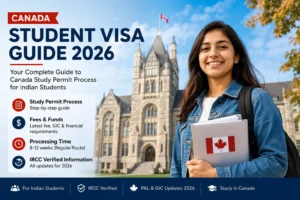
Canada: Managing a Surge in Migrants
Canada remains a popular destination but has tightened immigration rules to manage its growing migrant population.
- Study Permit Caps: Reduced from 509,390 to 437,000 by 2025.
- Limited Work Rights for Dependents: Restrictions on work permits for spouses of international students.
Mitigation Strategies
- Apply for study permits well in advance.
- Focus on institutions with high visa approval rates and strong post-graduate employment links.
Australia: Balancing Growth and Control
Australia’s new immigration policies aim to manage student numbers effectively.
- Cap on Student Enrollments: A limit of 270,000 new students annually.
- Increased Visa Fees: Student visa fees have nearly doubled from AUD 710 to AUD 1,600.
Mitigation Strategies
- Financial Planning: Account for increased costs when budgeting for education.
- Explore Regional Opportunities: Incentives for students choosing regional campuses, including longer post-study work visas.
Germany: Expanding Opportunities
Germany has adopted a more inclusive approach, increasing skilled migration quotas.
- Increased Visa Quotas: Annual visas for skilled Indian workers have expanded to 90,000.
- Extended Work Hours for Students: Students can now work up to 140 full days or 280 half days per year.
Mitigation Strategies
- Utilize the increased work hours for financial support and professional growth.
- Learn basic German language skills for better job prospects.
New Zealand: More Flexibility for International Students
New Zealand focuses on student-friendly immigration changes.
- Post-Study Work Visa (PSWV): Adjustments ensure eligibility for students transitioning from a Postgraduate Diploma to a Master’s degree.
- Interim Work Rights: Migrants transitioning from student visas to work visas can continue working while their visa is processed.
Mitigation Strategies
- Align your study plans with PSWV eligibility criteria.
- Build a professional network through internships and industry connections.
Ireland: Evolving Policies Under Review
Ireland continues to be a critical destination for STEM and business education, though major policy reforms are pending.
Mitigation Strategies
- Stay informed through official resources like the Irish Naturalisation and Immigration Service (INIS).
Common Trends Across Destinations
Despite regional differences, common themes have emerged:
- Increased Salary Thresholds: Higher salaries required for post-study work visas.
- Stricter Dependent Policies: Restrictions on bringing family members.
- Higher Fees: Rising visa and application fees.
- Skills-Based Preferences: Expanding skilled migration programs for high-demand industries.
What Can Students and Migrants Do?
- Plan Ahead: Start your visa process early and stay updated on policy changes.
- Diversify Options: Consider multiple destinations based on favorable policies.
- Seek Professional Guidance: Work with certified education consultants for up-to-date information.
- Enhance Skills: Focus on in-demand fields such as AI, data science, healthcare, and renewable energy.
Conclusion
The global immigration landscape is shifting, but with proactive planning, you can achieve your dream of studying or working abroad. Stay informed, flexible, and leverage evolving policies to your advantage. Remember, international education benefits students and contributes significantly to the host country’s economy and innovation landscape.
Stay focused, stay informed, and let your global career aspirations take flight!
Ready to Take the Next Step?
At IMFS, we are your trusted partners in navigating these global immigration changes. Our experts provide comprehensive services, from university selection and application support to visa guidance and cultural training.
👉 Schedule your free consultation today!
Let’s make your study abroad dreams a reality together!